

Against the backdrop of Kenya’s critical youth unemployment crisis—where young people make up 84% of the jobless population—Vanessa Mhonja has turned a sanitation challenge into a green goldmine in Kakamega County.
Vanessa re-engineered a failing backyard experiment into a highly efficient, climate-smart facility.
By leveraging millions of hungry Black Soldier Fly larvae to devour tons of market garbage, her female-led agribusiness completely closes the loop on organic waste: cutting toxic methane emissions, processing insects into high-protein livestock feed to save local farmers from going broke, and manufacturing premium organic fertilizer and cosmetic oils.
It is a powerful story of resilience, innovation, and how proper technical mentorship can turn society's trash into life-changing rural wealth.
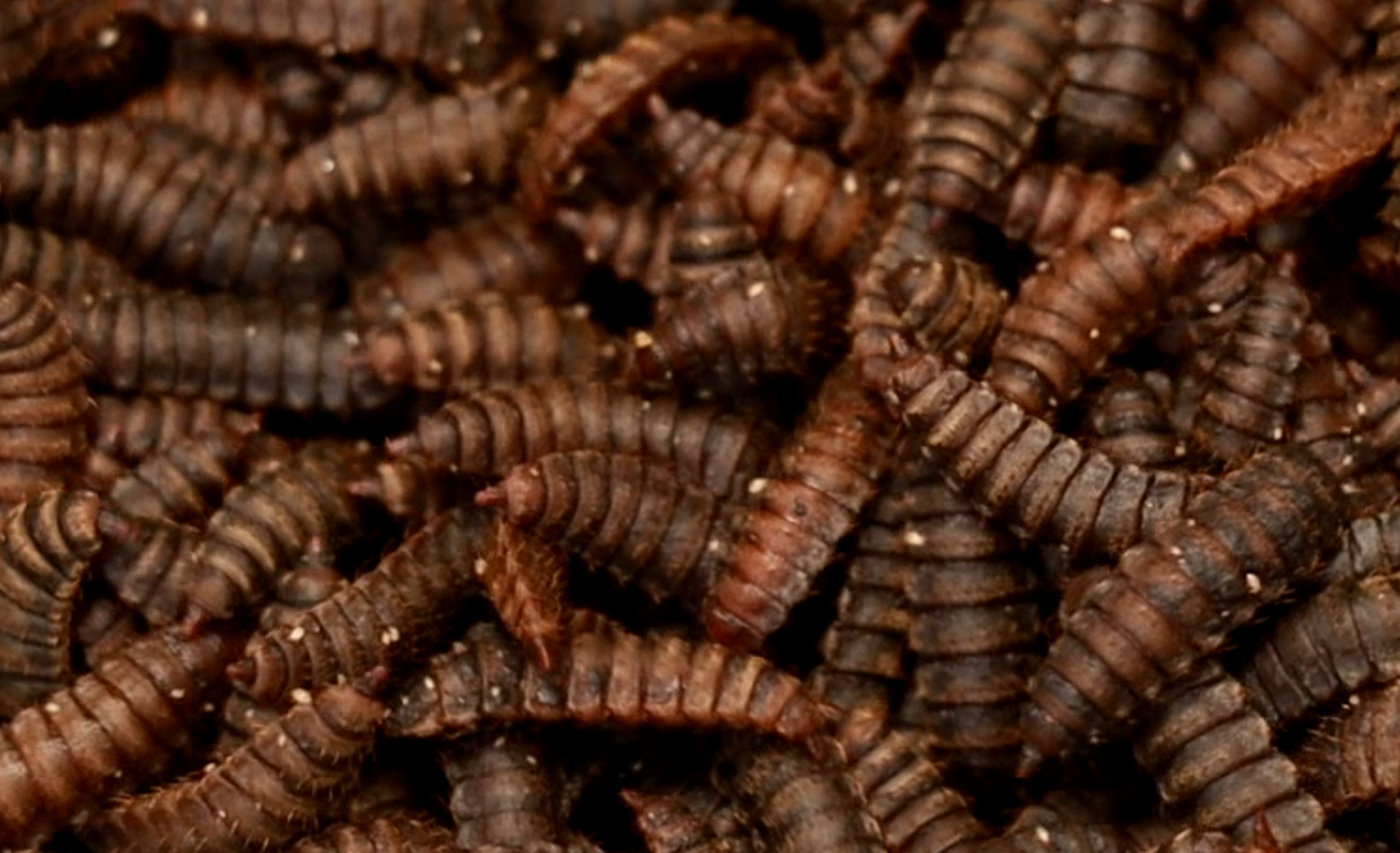
Nature’s tiny sanitizers: Millions of dark, segmented Black Soldier Fly larvae processing organic waste in real-time at Vanessa Mhonja’s farm in Kakamega. (Photo: Auma Namatsi)
By Auma Namatsi || violetmedia8@gmail.com
When you visit a place that deals with tons of rotting market garbage every day, you expect a horrible smell. You brace yourself before you step out of the car.
But when you walk into Vanessa Mhonja’s home in Bukhaywa village, Kakamega County, something surprises you. There is no bad smell at all.
Instead, the compound is neat and tidy. You see rows of clean insect cages, small breeding boxes, and healthy green crops growing all around. It looks like a beautiful garden, not a place for trash.
Yet, right here, millions of tiny workers are doing something amazing. They are taking everyday garbage and turning it into real money. Their secret weapon? A small insect called the Black Soldier Fly (BSF).
Vanessa did not start this business just to make money. She started it because she was worried about the planet.
"I looked at organic waste and the methane emissions," Vanessa says, pointing to her insect trays. “In my own small way, I wanted to reduce greenhouse gases while also making an income from that.”
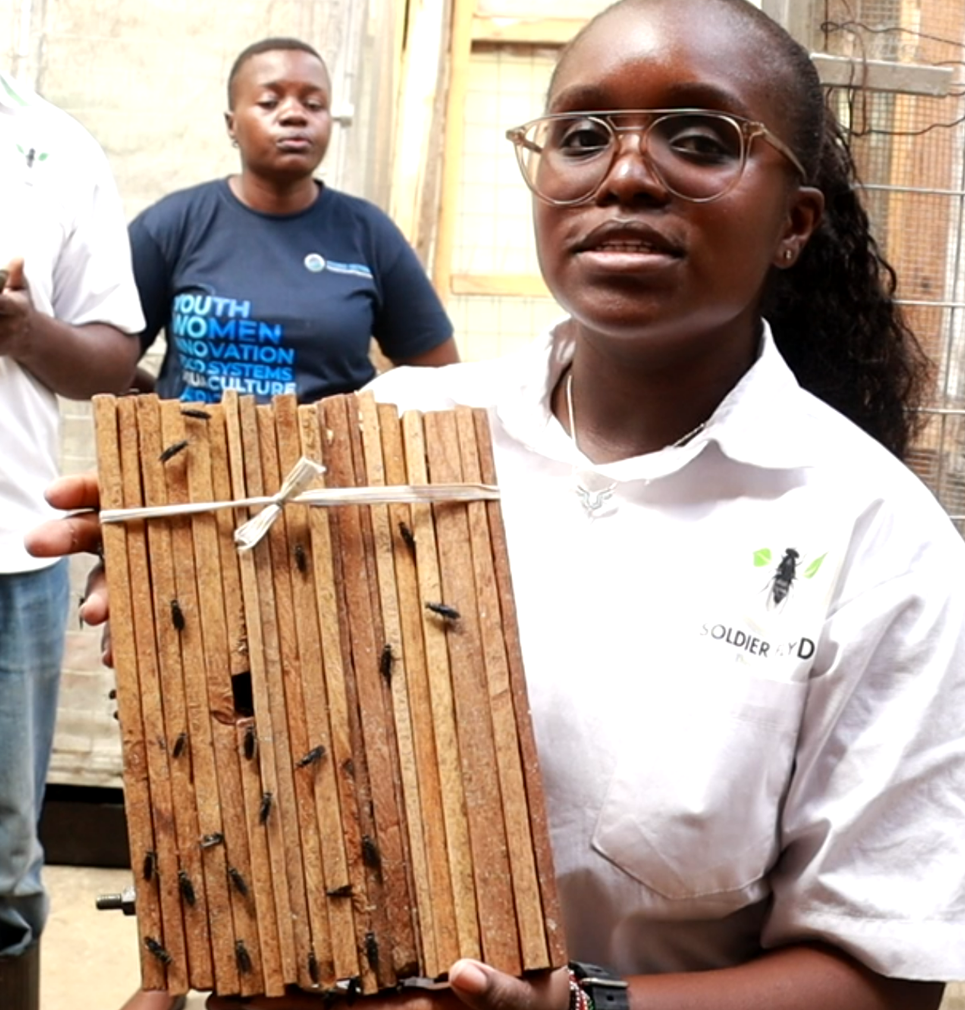
The start of the cycle: Vanessa Mhonja displays a bundle of wooden egg-laying slots, where adult Black Soldier Flies deposit their eggs before they hatch into waste-devouring larvae. (Photo: Auma Namatsi)
Vanessa’s business comes at a critical moment for Kenya. Finding a steady job is arguably the biggest challenge for the country's youth, who make up about 84% of the unemployed population. Every single year, close to 800,000 young people enter the job market, but formal positions are scarce.
At the same time, traditional farming is aging out. The average age of a Kenyan farmer is now over 60 years old. Many young graduates move to major cities because they see agriculture as a low-status, back-breaking job that doesn't pay well.
But working with trash is hard, messy work.
"It is not the kind of job where you sit behind a desk," she admits openly. “You work with waste every day, and many people are discouraged by the appearance of the larvae. But once you understand the science behind it and focus on the final product, you realize the enormous value it creates.”
Every single day, buckets of food waste from markets and households arrive at her farm. Vanessa’s team goes through the pile by hand. They carefully take out plastic bags, broken glass, and metal pieces.
Once the food waste is clean, they give it to the baby flies (called larvae). These larvae are incredibly hungry. Within just a few days, they eat up the garbage, shrinking the huge piles of trash into a tiny fraction of their original size.
Success did not happen overnight. When Vanessa first started, she grew her insects directly on the ground. This caused a lot of problems.
"The approach exposed the larvae to safari ants, rats, and mice that frequently destroyed production," she remembers.
The worst part was when wild rats chewed through her fine netting at night. All her adult flies flew away into the dark.
"When the flies escaped, it meant we had no eggs for our customers," Vanessa says. "Losing an entire week's production was devastating."
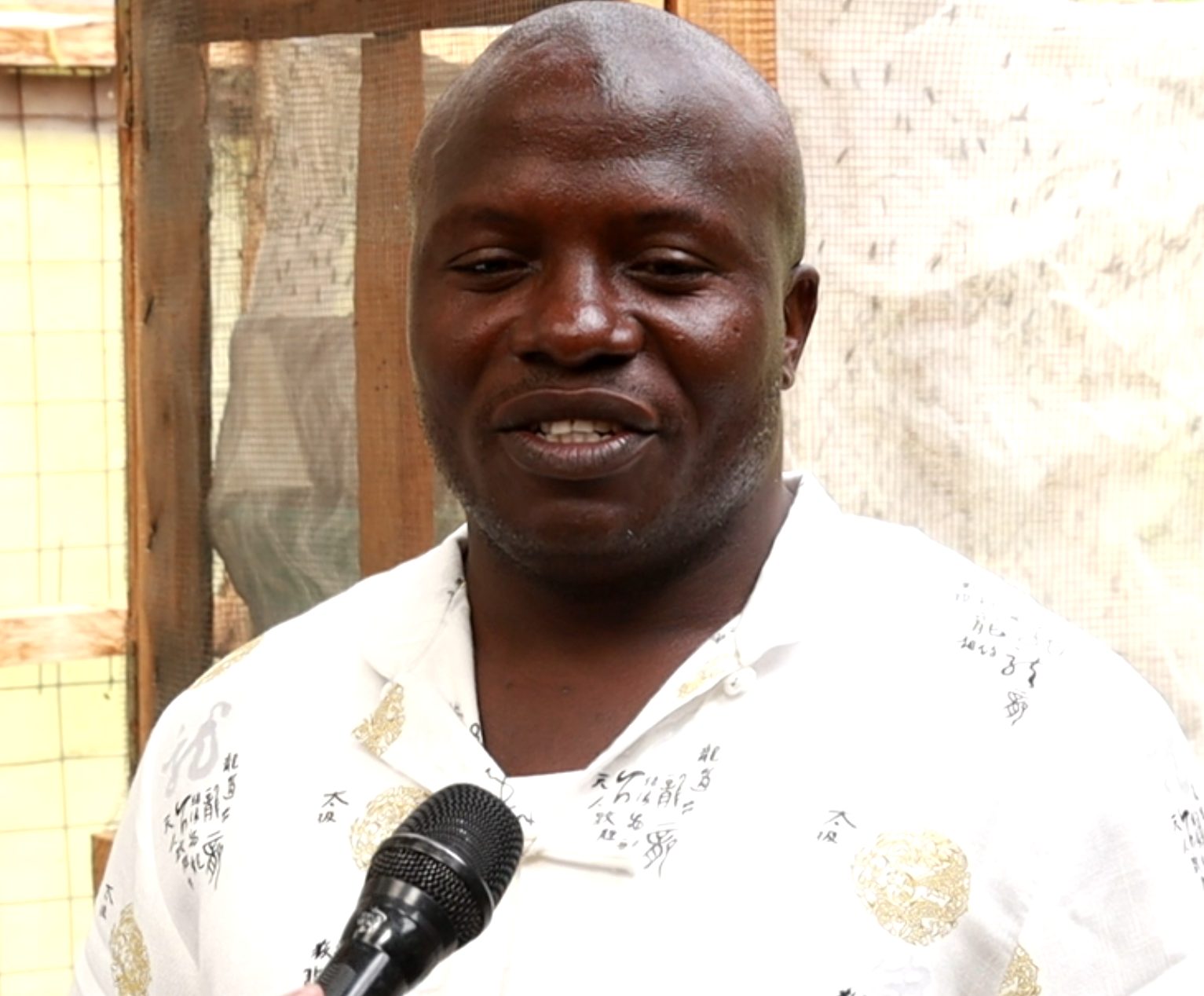
Advocating for the green economy: Frederick Juma, a partner with the Youth in Sustainable Aquaculture (YISA) program, speaks to the media about the importance of mentoring young agripreneurs like Vanessa Mhonja to tackle regional unemployment. (Photo: Auma Namatsi)
Luckily, a program called Youth in Sustainable Aquaculture (YISA) stepped in to help. They gave Vanessa expert training. She completely rebuilt her farm using raised metal shelves and closed cages. She even put small cups of oil around the legs of the shelves. Now, if ants try to climb up to eat her larvae, they get stuck in the oil and cannot reach the insects.
Vanessa’s farm is not just cleaning up the streets of Kakamega; it is saving local farmers from going broke. Right now in Kenya, the price of commercial animal feed is incredibly high. Many poultry and fish farmers are struggling to survive.
Black Soldier Fly larvae are like a superfood for animals. They are packed with rich proteins, good fats, and vitamins.
"We've had poultry farmers tell us that their chickens started laying bigger eggs after introducing Black Soldier Fly feed," Vanessa smiles. "My own catfish also perform very well because I always have a reliable source of feed."
The farm is growing fast. Vanessa does not just sell animal feed anymore. She now presses the larvae to extract high-value cosmetic oil for beauty products. And the leftover powder called frass is used as a powerful organic fertilizer. She puts it on her banana and cassava plants, saving her from buying expensive shop fertilizers.
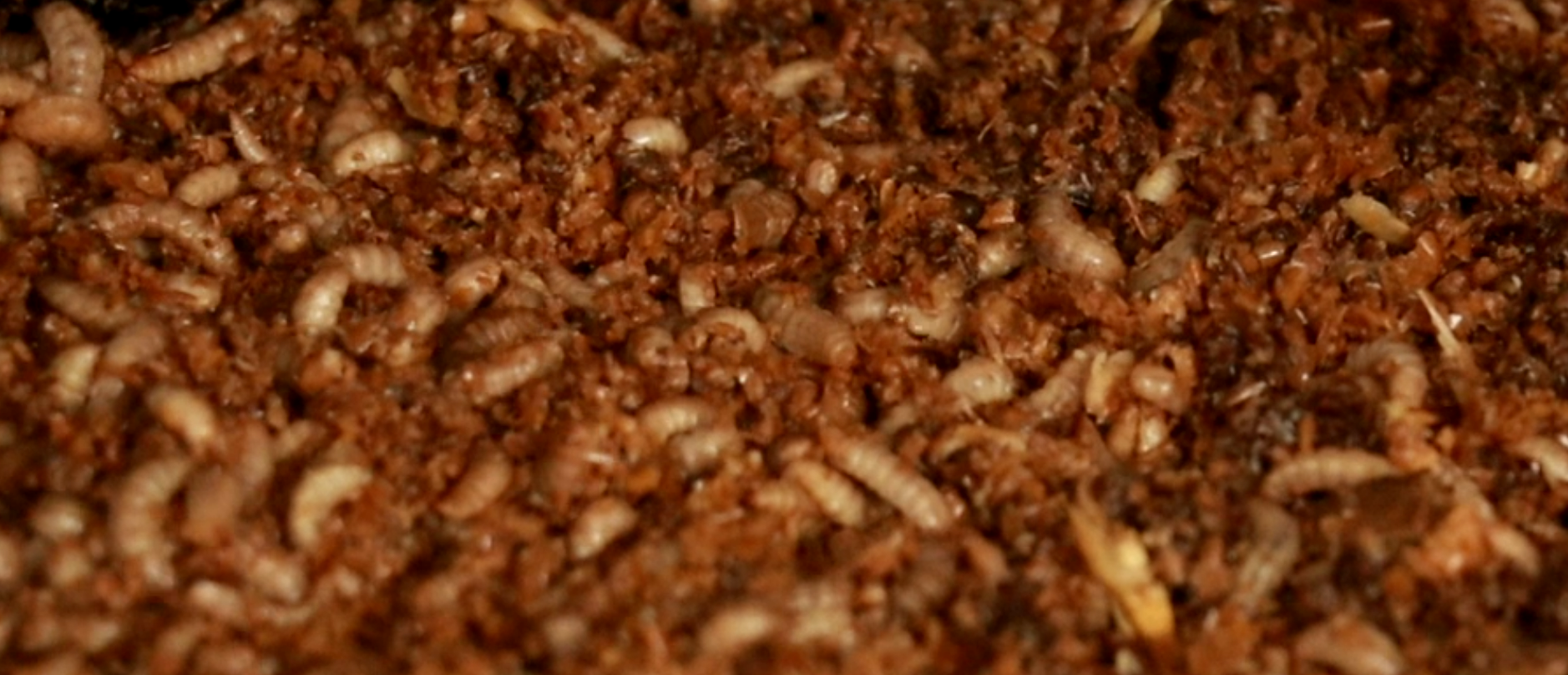
The engine of the circular economy: A close-up view of the voracious Black Soldier Fly larvae converting organic waste into high-protein agricultural inputs. (Photo by Auma Namatsi)
The model elegantly solves three massive problems at once. First, it cleans up the environment by pulling rotting food waste out of local dumpsites, stopping harmful methane gases from warming the planet. Second, it rescues livestock farmers by providing a cheap, protein-packed feed option.
Finally, it heals tired soils. The leftover insect waste known as frass gives small-scale farmers a powerful, affordable organic fertilizer to grow thriving banana and cassava crops without buying expensive commercial inputs.
Innovation has also unlocked new income streams. The farm now presses mature larvae to extract high-value cosmetic oil for premium beauty products.
Even though the business makes great sense, it is still hard to convince the public.
"There is still stigma around working with waste," says Frederick Juma, a partner who works with the YISA program. "Many young people associate waste with dirty work and prefer formal employment. Yet this is where the opportunities are. Waste is no longer something to throw away, it is a valuable resource."
Some people also have wrong beliefs. They worry that eating chickens or fish fed on insects might make humans sick. Others think these flies are the same as regular houseflies that buzz around toilets and spread diseases.
"Unlike common houseflies, Black Soldier Flies do not spread disease," Juma explains. They do not even have mouths to bite with when they are adults; they just live to lay eggs and clean the environment.
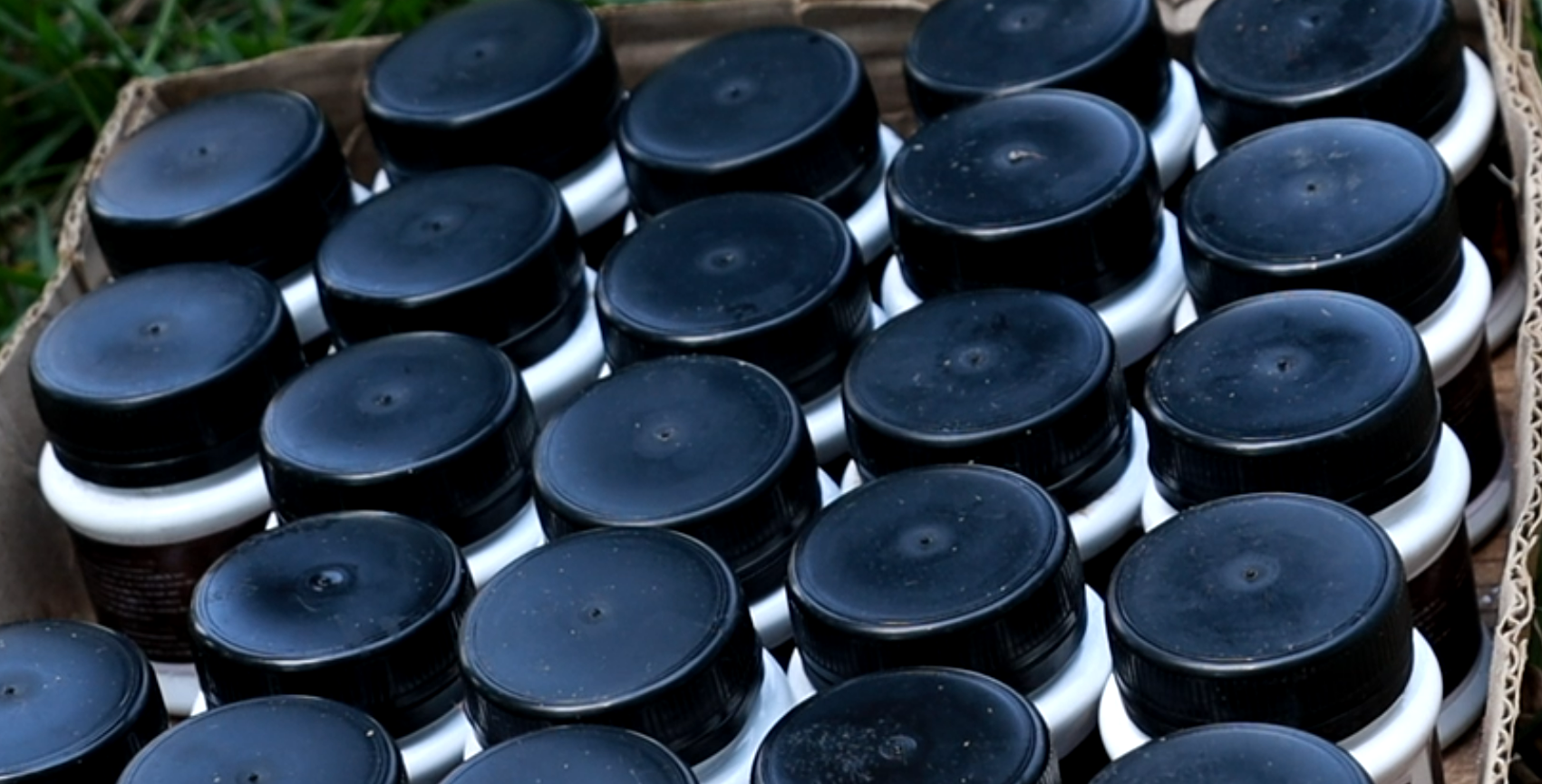
Diversifying the stream: Small containers of premium cosmetic oil, extracted directly from Black Soldier Fly larvae, ready to tap into high-margin beauty markets. (Photo: Auma Namatsi)
With the help of the Kakamega County Government, Vanessa has been showcasing her products at local agricultural shows. Slowly, people are starting to understand the benefits.
Now, Vanessa's biggest dream is to get official standard certificates so she can sell her insect feed and beauty oils in big supermarkets and even export them to other countries.
Standing next to her humming insect trays, Vanessa looks proud. What her neighbors once thought was a crazy, dirty backyard project has become a lesson for the whole country.
She has proved that the future of farming does not start in a fancy office, it starts with the things we throw in the bin.


Comments (0)